Top 5 Budget Power Stations Under $300
Cheap power stations are easy to buy and easy to regret. The better budget picks are the ones that give you usable battery, honest limitations, and enough long-term value to avoid replacing them a year later.
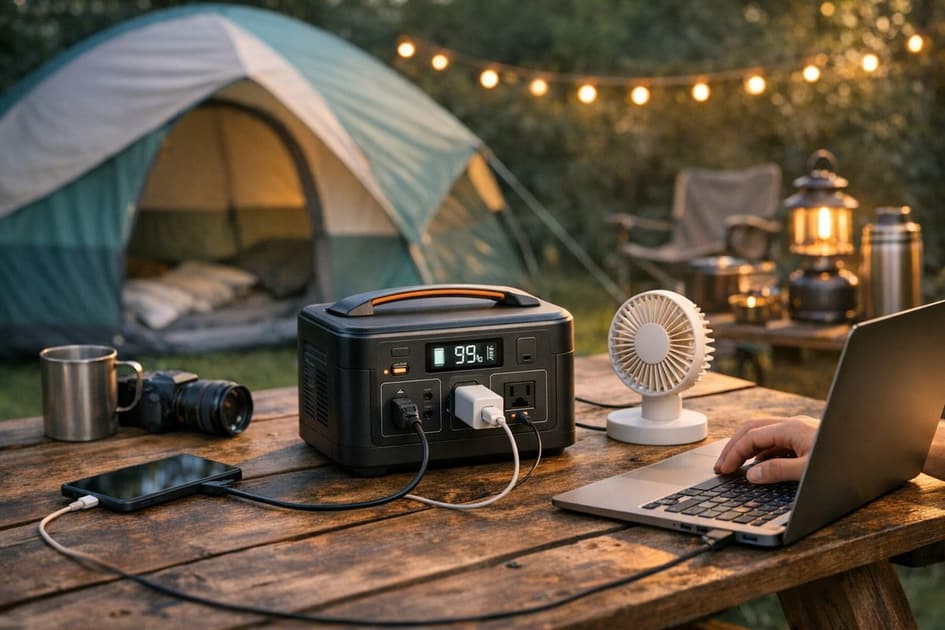
The best budget power station is not just the cheapest box with an AC outlet. In this price range, price per Wh is usually the clearest way to compare real value, because a low sticker price means less if the battery is tiny or the specs are weak.
This guide is for first-time buyers who want simple emergency backup at home or casual outdoor power without overspending. We focused on models with practical specs, LiFePO4 chemistry where available, and realistic fit for things like phone charging, lights, laptops, and short outages, not inflated claims about running big appliances.
Runtime
Check if a budget station is actually big enough
If you already know what devices you want to run, estimate the runtime first. In the under-$300 tier, even a 50Wh to 100Wh gap can noticeably change how useful a station feels.
Free · No signup · ~30 sec
Quick recommendations
- Best overall: BLUETTI AC50B gives you the strongest mix of 448Wh capacity, 700W AC output, and LiFePO4 longevity in this group.
- Best compact power: EcoFlow RIVER 3 Plus is the best small-format pick if you want strong AC output and room to expand later.
- Best for USB-C-heavy kits: Anker SOLIX C300 makes the most sense if you charge more devices directly over USB-C than over AC.
- Best for beginners: Jackery Explorer 300 Plus is the easiest entry point for buyers who want a straightforward, lightweight station.
- Best ultra-budget: BLUETTI AC2A keeps the cost and weight down while still offering LiFePO4 and useful everyday output.
The picks for the best budget power station
Before the individual picks, one reality check: a sub-300Wh station will not run a full-size refrigerator for meaningful backup, and even the largest model here is still a small battery by outage standards. These units are better for phones, laptops, routers, lights, fans, and short-use devices. If you want a faster way to separate the lookalikes, compare the specs side by side first. In this price band, small differences in capacity, output, weight, and solar input matter more than marketing language.
Prices are approximate. Affiliate links — helps support WattMatch.
If you want to compare larger options, start with our full portable power station list. If your goal is spending as little as possible while still getting something usable, our other budget guides are a good companion to this guide.
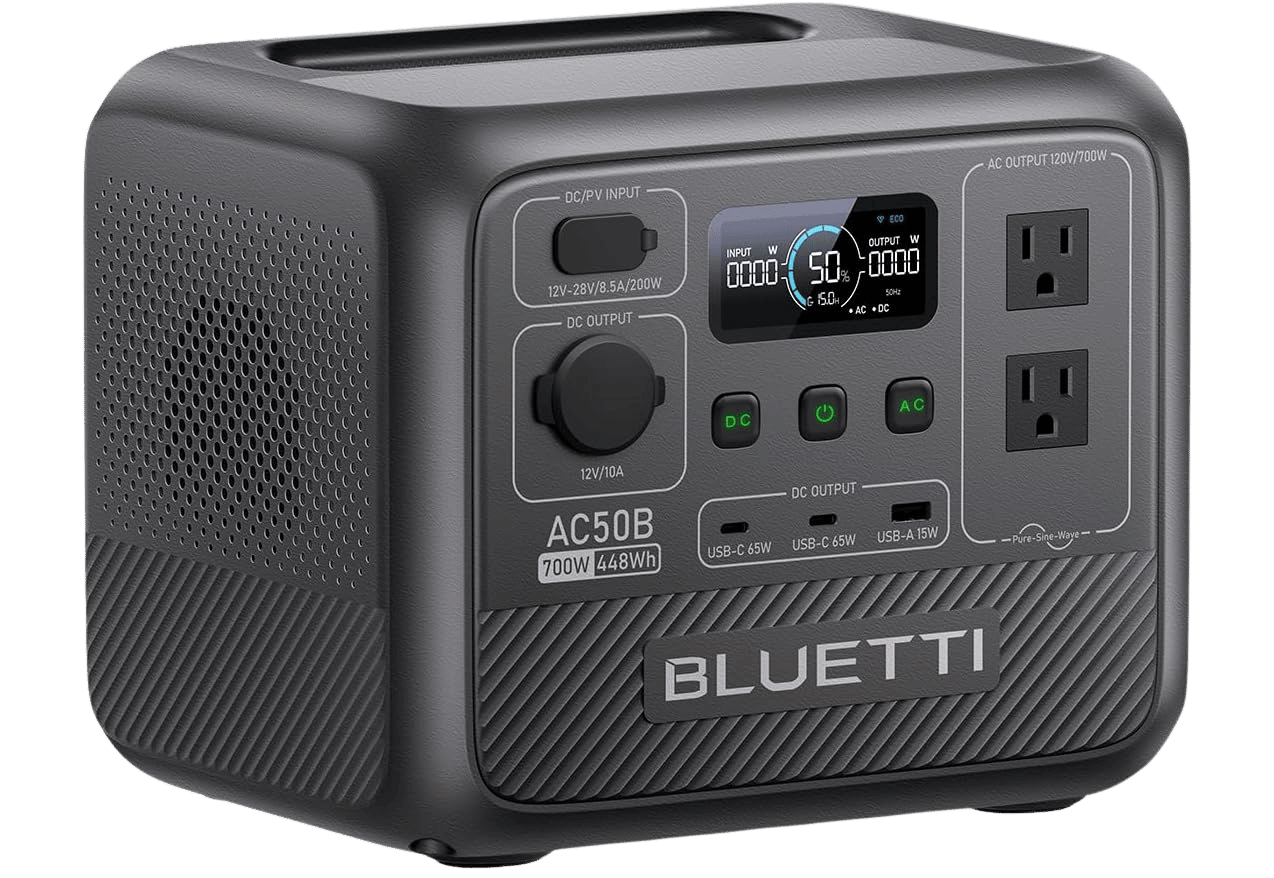
BLUETTI AC50B
Best overall budget pick: The BLUETTI AC50B stands out because it gives you the most complete package here: 448Wh of capacity, 700W AC output, LiFePO4 chemistry, and 200W solar input. For a budget buyer, that combination matters more than flashy claims. Price per Wh is one of the most useful metrics in this category, and a 448Wh unit simply gives you more usable battery headroom than the smaller 204Wh to 288Wh options.
It is best for someone who wants one affordable unit that can cover both home outage basics and casual outdoor use. Think laptop charging, router backup, lights, small electronics, and longer runtimes on low-draw gear during camping trips. It also fits well for readers browsing our camping power station guide who want a model that still works at home.
The main tradeoff is weight. At 14.8 lbs, it is still portable, but it is not the grab-and-go option if you care most about carrying comfort.
Its clearest differentiator is capacity plus output in the same box: 448Wh with 700W AC and a 1000W surge, along with 3500+ cycles and recharge to about 80% in roughly 45 minutes.
BLUETTI AC50B
448Wh LFP, 700W AC (1000W lifting), 6 outputs, ~45 min to ~80% turbo, ~14.8 lb—camp & outage.
⚡ ~45 min AC recharge
~$279
Check price on AmazonView full specs →Purchase links may be affiliate links — To Support WattMatch
EcoFlow RIVER 3 Plus
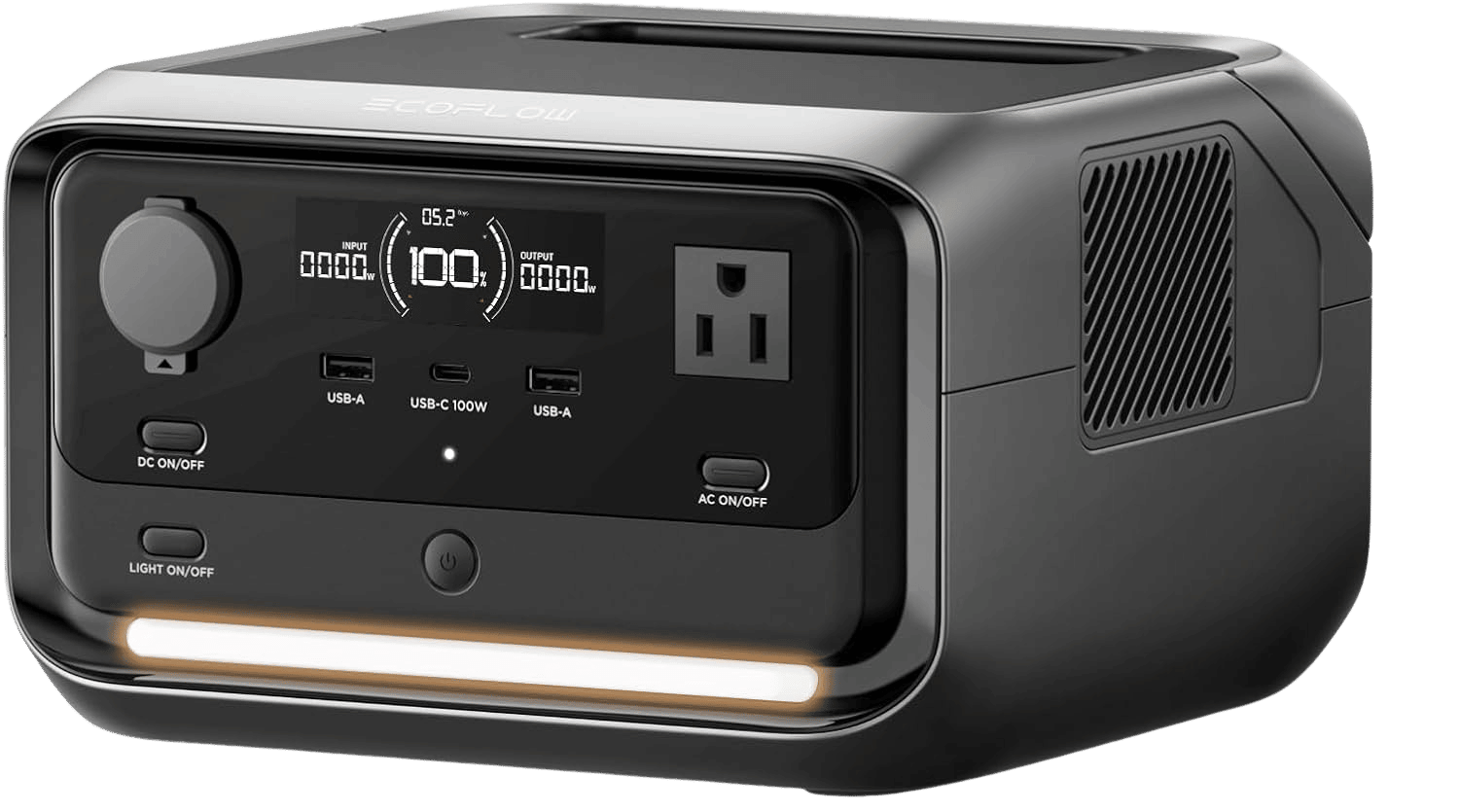
Best compact power pick: The EcoFlow RIVER 3 Plus is the smart pick if you want something smaller without giving up too much inverter headroom. At 286Wh and 600W AC, it stays compact at 10.4 lbs while still handling a wider range of small appliances and electronics than many entry-level units.
It is best for buyers who care about portability first but still want a serious feature set for weekend use, car camping, remote work, or short outage support. The expandable design is also useful if you want to start small now and leave room to grow later.
The honest limitation is runtime. At 286Wh, it is still a small battery by outage standards, so you need to be realistic about what it can sustain. It is much better for shorter jobs and lighter loads than for all-night backup on multiple devices.
Its clearest differentiator is flexibility: 220W solar input, 600W AC output, and expandability up to 858Wh. That makes it more adaptable than most compact units in this price class.
EcoFlow RIVER 3 Plus
286Wh LFP, 600W AC, 3 outlets (X-Boost ~1200W), ~1 hr charge, 220W solar, expandable to 858Wh.
⚡ ~1 hr AC recharge
~$269
Check price on AmazonView full specs →Purchase links may be affiliate links — To Support WattMatch
Anker SOLIX C300
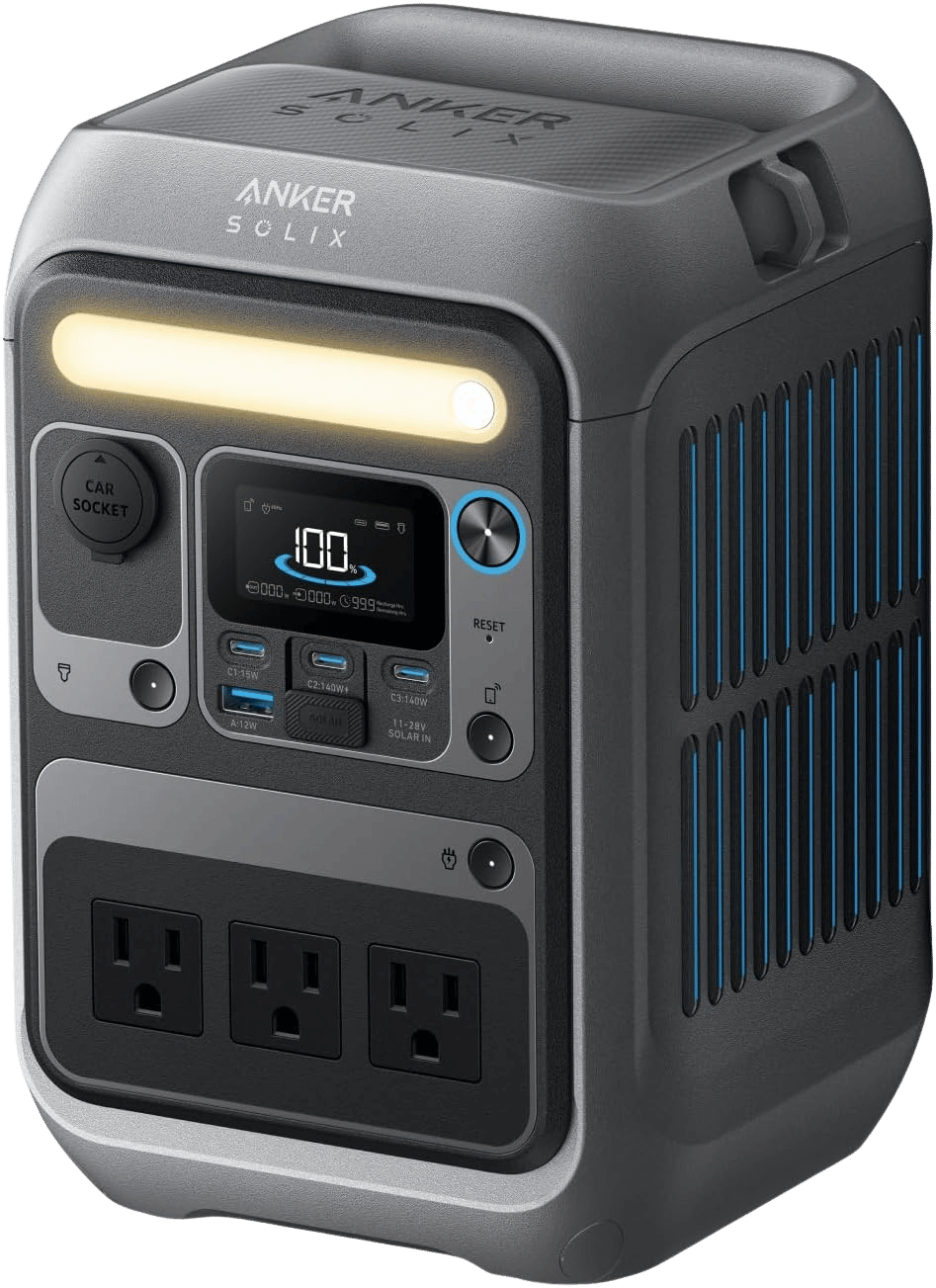
Best for USB-C-heavy kits: The Anker SOLIX C300 is the budget pick for buyers whose gear is mostly modern electronics instead of AC-heavy appliances. At 288Wh and 300W AC, it lands in the same basic battery class as the Jackery, but its port mix is much stronger for phones, tablets, cameras, power banks, and USB-C laptops.
It is best for people who want one small station to cover travel, everyday carry, and light backup without relying on a pile of chargers. Three USB-C ports, including higher-power USB-C charging, make it especially practical for remote work kits or shared charging at a table.
The tradeoff is solar recovery. It tops out at 100W solar input, so it is not the best pick here for multi-day use where fast daily recharging matters. It is better as a compact grab-and-go station than as a solar-first camp battery.
Its clearest differentiator is port selection. Three AC outlets and 3 USB-C ports are unusual in a station this small and this cheap, and that output mix is genuinely useful when several devices need topping up at once.
Anker SOLIX C300
288Wh LFP, 300W AC (600W surge), 3 AC + 8-way outputs, 140W USB-C, 80% in ~50 min, 100W solar.
⚡ ~50 min AC recharge
~$249
Check price on AmazonView full specs →Purchase links may be affiliate links — To Support WattMatch
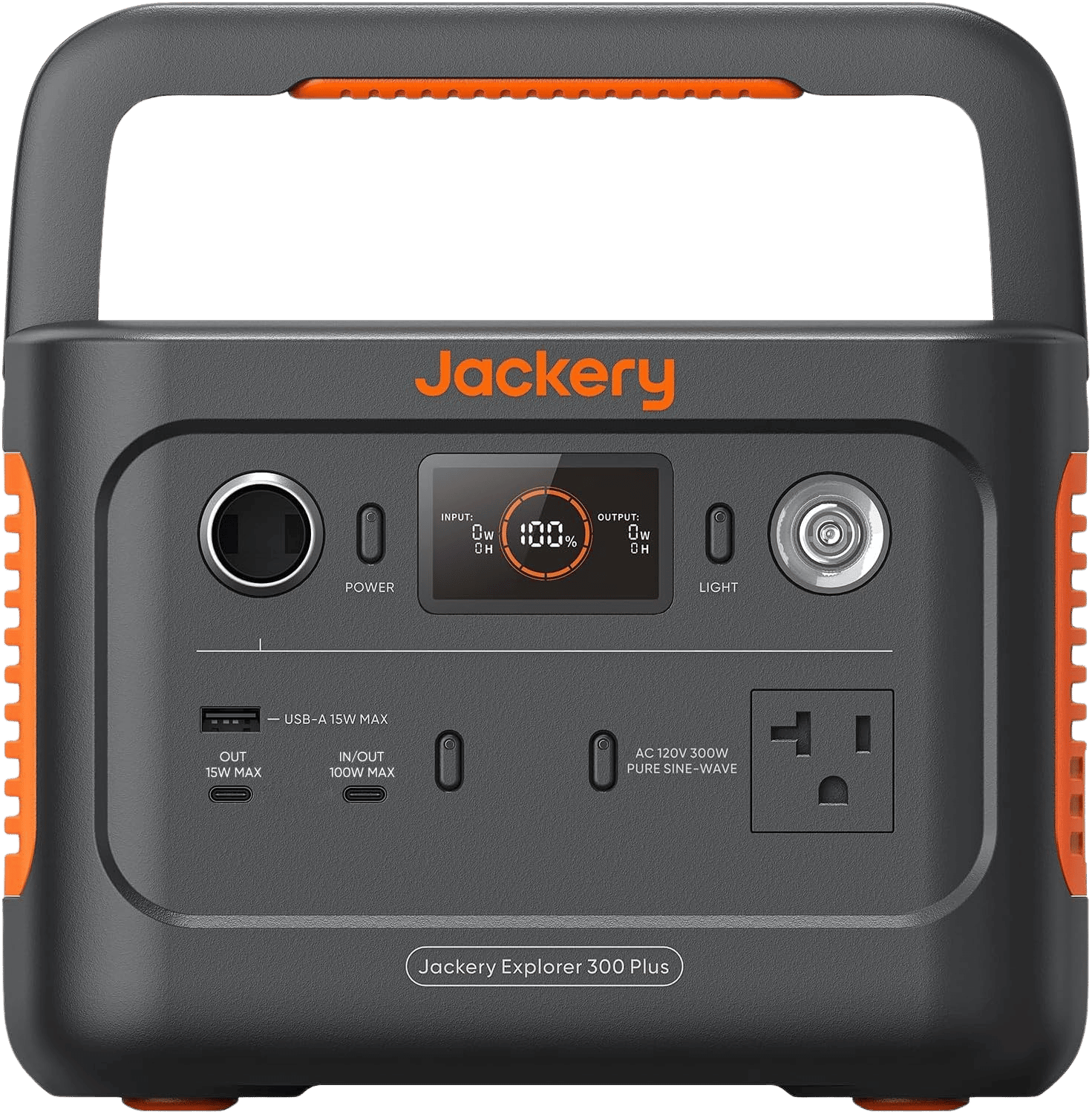
Jackery Explorer 300 Plus
Best for beginners: The Jackery Explorer 300 Plus makes sense for first-time buyers who want an easy entry point with straightforward portable specs. With 288Wh of capacity, 300W AC output, LiFePO4 chemistry, and a light 8.3 lb build, it is simple to carry and easy to understand.
It is best for someone who mainly wants dependable backup for personal electronics, small AC devices, and basic travel or RV use. It is also a good fit for people who want an affordable solar generator setup for light-duty use and do not need high AC output.
The tradeoff is output ceiling. At 300W AC, it is more limited than the AC50B or RIVER 3 Plus for heavier devices, even when the battery size is similar to the EcoFlow or Anker.
Its differentiator is how approachable it feels. The light carry weight, simple layout, and brand familiarity make it a practical first purchase for someone who wants to stay in the right size class without overthinking the decision.
Jackery Explorer 300 Plus
288Wh LiFePO4, 300W AC, ~8.3 lb—compact solar-ready power for RV, camping, and travel.
⚡ ~2 hrs AC recharge
~$299.99
Check price on AmazonView full specs →Purchase links may be affiliate links — To Support WattMatch
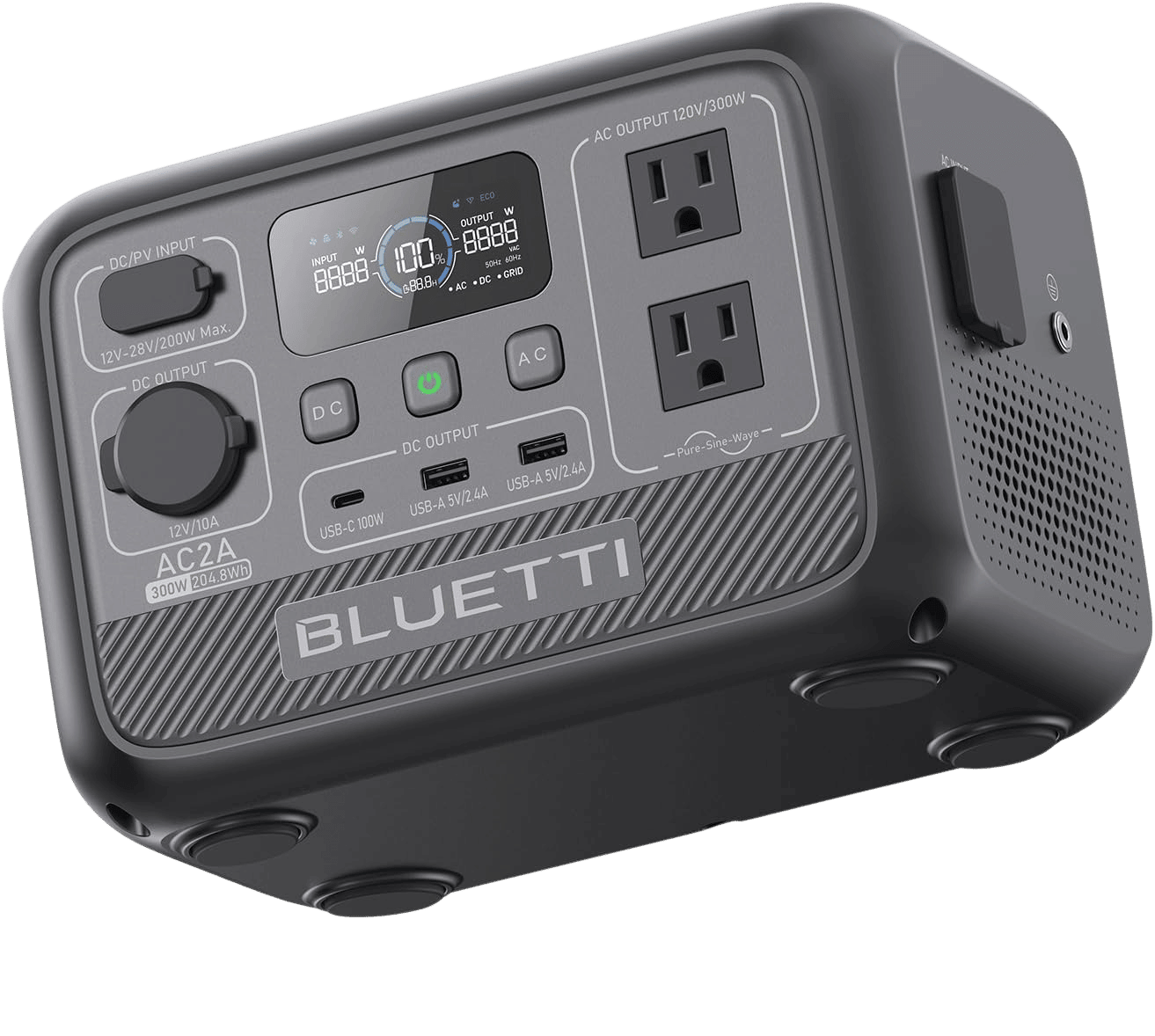
BLUETTI AC2A
Best ultra-budget pick: The BLUETTI AC2A is the one to look at when the goal is spending as little as possible without dropping into no-name territory. That matters, because warranty length and brand support are especially important on budget models. A cheap power station is only a bargain if it keeps working.
It is best for very light backup needs: phones, tablets, cameras, small lights, and occasional laptop use. It also works for short outdoor trips where every pound matters and your power demands are modest.
The limitation is simple: 204Wh goes fast. This is not a fridge backup unit, and it is not the right pick if you want long runtimes on anything with steady AC draw.
Its standout spec is how much it packs into a tiny frame: 204Wh, 300W AC, 600W surge, 7.9 lbs, 200W solar input, and 6 outlets. That is unusually capable for an ultra-budget unit, especially with LiFePO4 and 3000+ cycles.
BLUETTI AC2A
204Wh LFP, 300W AC (600W lifting), 6 outlets, ~40 min to ~80% AC, ~70 min full, 7.9 lbs.
⚡ ~1 hr 10 min AC recharge
~$149
Check price on AmazonView full specs →Purchase links may be affiliate links — To Support WattMatch
How to choose
For a first-time buyer, the biggest mistake is comparing only by purchase price. In the budget tier, price per Wh is usually the best shortcut for value because it tells you how much battery you are actually getting. A unit with a slightly higher upfront cost can be the better deal if it gives you much more capacity and a longer useful life. If you already know your real load, use the runtime calculator first, then use the comparison table to narrow down the shortlist.
Battery chemistry matters too. Some budget models now use LiFePO4, and that is worth checking before you buy. In plain terms, LiFePO4 usually means better cycle life and better long-term value than older chemistries. In this list, every pick uses LiFePO4, which is a strong sign for durability at the low end of the market.
Output matters separately from capacity. Capacity in Wh tells you roughly how long a station can run something. Output in W tells you whether it can run it at all. A 288Wh station with 300W AC can still be a poor fit for a device that needs more than 300W, even if the runtime math looks fine on paper.
Warranty support should not be ignored, especially when you are shopping among cheaper units. Budget hardware from less established brands can look good on paper, but long-term support is part of the value equation. Known brands with clear specs and established product lines are usually the safer move than unknown listings with inflated promises.
Finally, keep expectations realistic. Under 300Wh is small. That is fine for device charging, internet gear, lights, and light travel use. It is not enough for full-size kitchen appliances, and it will not turn a compact battery into serious whole-home backup.
Compare
Compare your options
Torn between the two 288Wh-class budget picks? Compare the Anker SOLIX C300 and Jackery 300 Plus side by side on port mix, carry weight, recharge speed, and overall value.
Free · No signup · See all specs
FAQ
What is the most useful way to compare budget power stations?
Price per Wh is usually the best starting point. It helps you see whether a cheaper unit is actually a bargain or just a smaller battery with a lower price.
Is LiFePO4 really worth prioritizing on a budget model?
Yes. LiFePO4 is one of the easiest spec wins to look for because it usually means longer cycle life and better long-term value. In this price range, that can matter more than a minor difference in charging speed or port count.
Can a power station under 300Wh run a refrigerator?
Not realistically for meaningful backup, especially not a full-size refrigerator. A sub-300Wh unit is better used for smaller essentials like phones, laptops, lights, modems, and routers.
What size is enough for short home outages?
For short outages, 200Wh to 300Wh can cover basic electronics and internet gear. If you want more runtime and less micromanaging, moving closer to 400Wh makes a noticeable difference.
Is a cheap power station good enough for camping?
Yes, if your expectations match the battery size. For lights, phones, cameras, laptops, and some small accessories, these models work well. For more ideas, see our guide to the best portable power station for camping.
Takeaway
The best budget power station is the one that gives you solid price per Wh, LiFePO4 battery chemistry, realistic output, and enough support from a brand you would trust a year from now. For most buyers, the BLUETTI AC50B is the strongest all-around value, while the smaller picks make sense when low weight or a lower entry price matters more than runtime.
Related guides
These guides cover adjacent buying scenarios worth comparing.
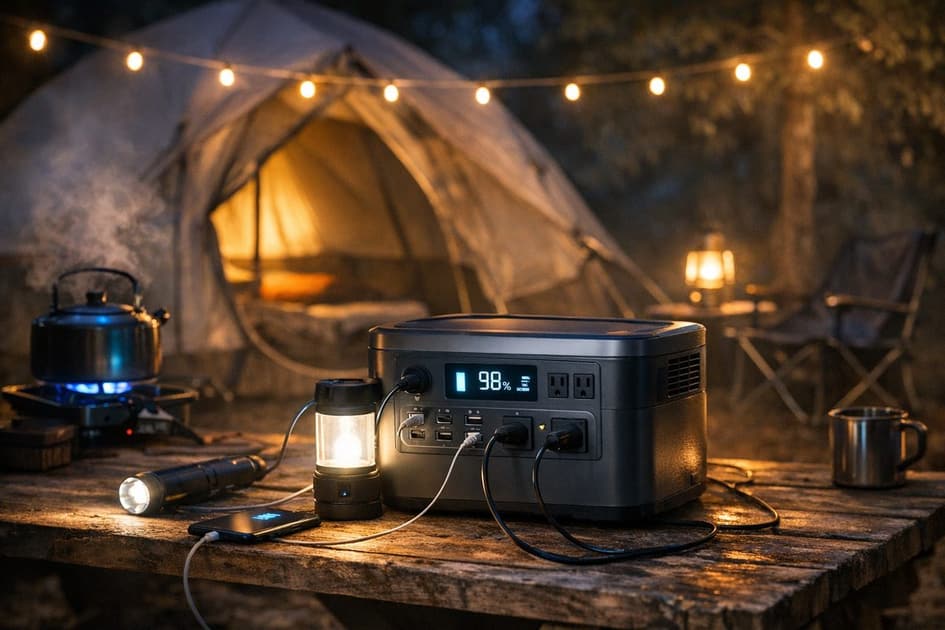
Best Portable Power Stations for Camping (2026)
The best camping power station is usually not the biggest one. It is the unit you can carry easily, recharge fast, and trust to cover the gear you actually bring outside.
Read guide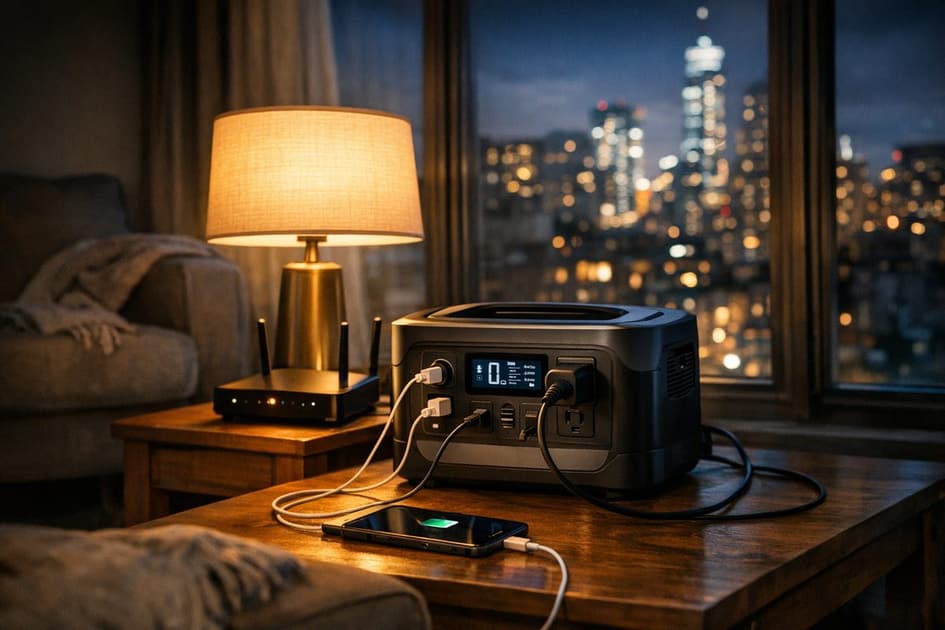
Best Portable Power Stations for Apartment Blackouts
Apartment outage prep is not about pretending you can power a whole house. It is about keeping the essentials alive quietly, safely, and without hauling a giant battery up the stairs.
Read guide